Reading can start in a lot of different places. For some students, it starts with a teacher’s recommendation. For others, it starts with a book a friend keeps talking about, a title they see online, or a story that feels close to something they already care about. The challenge is not always convincing students that reading is valuable. Often, the challenge is helping them find a book that feels worth starting.
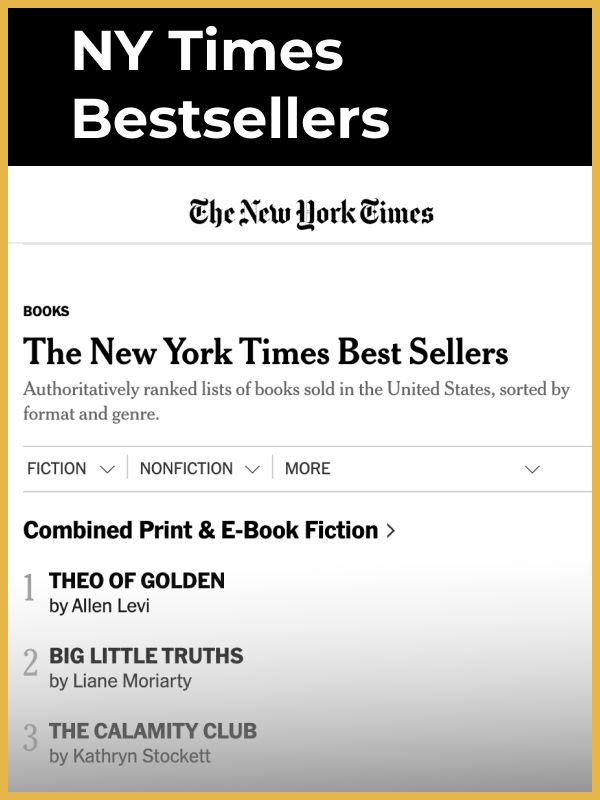
That is where popular reading lists can help. The New York Times bestsellers list, Amazon bestselling books, audiobook charts, and other lists of the most popular reads can give students an easy way into the world of books. These lists show what people are reading now across fiction, nonfiction, biography, memoir, history, health, business, personal growth, and more. They are not perfect guides to what every student should read, but they can offer a useful starting point.
For students who feel overwhelmed by choice, a bestseller list can make reading feel less intimidating. Instead of staring at thousands of options, they can begin with a smaller set of books that are already catching readers’ attention. A student looking for good books to read in 2026 might start with the best fiction books, a bestselling memoir, a popular audiobook, or a nonfiction title that connects to a subject they want to understand better. The point is not to chase popularity for its own sake. The point is to find a doorway in.
The New York Times bestsellers list is one of the best-known examples because it reflects books that are being widely bought, read, reviewed, and discussed. What makes a book a New York Times bestseller is not simply that it is “better” than every other book. A bestseller usually reflects strong sales, broad interest, and a place in the current conversation. For students, that can be useful. These books often give them something to talk about with classmates, parents, teachers, mentors, and friends.
That social side of reading matters. Students are more likely to keep reading when books feel connected to real conversations. A novel that people are discussing, a memoir that raises big questions, or a nonfiction book that explains something happening in the world can make reading feel more alive. Books do not have to sit apart from daily life. They can become part of how students understand the world around them.
Fiction is especially useful for students because it builds attention, imagination, and emotional understanding. The best fiction books often pull readers into lives and situations very different from their own. A student who reads a popular novel may begin by following the story, but along the way they practice noticing character, motive, conflict, language, and perspective. That kind of reading strengthens more than vocabulary. It strengthens the ability to pay attention to people and ideas.
Autobiographies and memoirs offer a different kind of value. They allow students to learn from real lives, including the choices, failures, risks, and turning points that shape a person’s path. A strong memoir can help a student think about identity, ambition, family, adversity, work, purpose, or resilience in a concrete way. For students who do not naturally gravitate toward fiction, biographies and memoirs can be a strong entry point into regular reading.
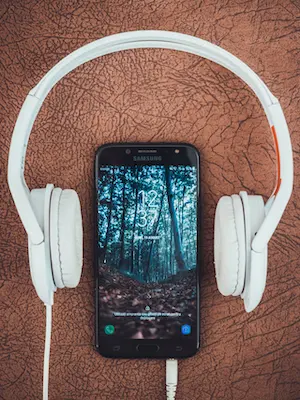
Audiobooks can also play an important role in literacy. Some students struggle to sit down with a printed book, but they may be willing to listen while commuting, walking, exercising, or doing chores. Audiobooks expose students to vocabulary, sentence structure, storytelling, and ideas in a format that feels more accessible. They can help students build confidence and momentum, especially when reading has previously felt difficult or slow.
Listening is not a lesser form of learning. For many students, audiobooks make books part of their everyday rhythm. A student might listen to a bestselling memoir on the bus, a popular nonfiction book after school, or one of the best fiction books before bed. Over time, that listening can increase curiosity and make printed reading feel less distant. It can also help students discover authors and subjects they may want to explore more deeply.Popular books can also help students learn what they care about. One bestselling novel might lead to an interest in history. A business book might spark questions about entrepreneurship or money. A health book might lead to better habits. A memoir might make a student think differently about family, struggle, or success. Reading often grows by association: one book leads to one question, and one question leads to the next book.
This is why bestseller lists should be treated as tools, not final judgments. A book can be popular and still not be the right fit for a particular student. Another book may never appear on a major list and still become deeply meaningful to the person who reads it. But lists of New York Times bestsellers, best fiction books, bestselling audiobooks, and good books to read in 2026 can help students begin the search with less friction.
The goal is to build the habit of reading, not to complete someone else’s idea of an impressive reading list. A student can start small: ten minutes a day, one chapter, one audiobook, one book that sounds interesting enough to try. Small starts matter because they create momentum. As students read more, they become better at choosing books, asking questions, and connecting ideas across subjects.
ZipScholar created this resource to help students and families use reading lists in a practical way. Bestseller lists can provide inspiration, motivation, and a clear place to begin. From New York Times bestsellers to audiobooks, memoirs, nonfiction, and popular fiction, the aim is simple: help students find books that make them more curious, more confident, and more willing to keep reading.