From Popular Books to Stronger Reading Habits
Help students use bestseller lists, audiobooks, fiction, nonfiction, biographies, and memoirs as practical starting points for reading more often.
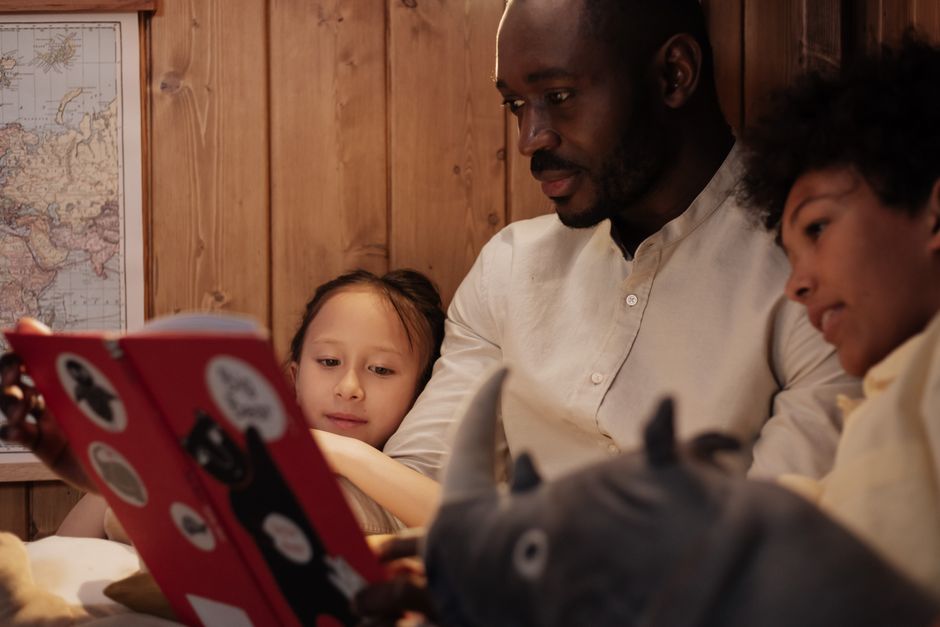
From Bestseller Lists to Better Reading Habits
Reading is one of the simplest ways students can build vocabulary, focus, confidence, and curiosity. But many students do not struggle because they dislike reading altogether. They struggle because they do not know where to begin. A page full of unfamiliar titles can feel overwhelming, especially for students who have not yet found the kinds of books they enjoy.
That is why popular book lists can be useful. New York Times bestsellers, Amazon bestselling books, audiobook charts, and lists of good books to read in 2026 can give students and families a starting point. These lists show what people are reading across fiction, nonfiction, biography, memoir, business, health, history, travel, mystery, and personal development. They are not perfect measures of quality, but they can help students discover books that are already getting attention and starting conversations.
For students, that can make reading feel more connected to real life. A bestselling novel, a popular memoir, or one of the best fiction books of the year can give them something to talk about with friends, parents, teachers, or classmates. Reading becomes less isolated. It becomes part of a larger conversation about stories, people, ideas, and the world around them.
The New York Times bestseller list is often part of that conversation because it points to books with broad public interest. What makes a book a New York Times bestseller is usually a mix of sales, timing, visibility, and reader demand. It does not mean every bestseller is the right book for every student. But it does mean the book has reached enough readers to become part of a wider cultural discussion. That can be helpful for students who need motivation. When a book is already being discussed, reviewed, recommended, or shared, students may feel more reason to try it. A familiar title can lower the barrier to starting. A book that feels current can make reading seem less like an assignment and more like a way to participate in what people are already talking about.
Different students also need different entry points. Some students are drawn to the best fiction books because stories help them imagine other lives, follow conflict, and understand character. Others may prefer nonfiction because it connects reading to something practical, like money, careers, health, history, science, sports, or business. A student who does not think of themselves as a reader may still be interested in a book that answers a question they already have.
Biographies and autobiographies can be especially useful for students because they turn real lives into readable stories. Memoirs can help students think about resilience, ambition, family, failure, identity, leadership, and purpose. A student may not be ready for a long classic, but they may be willing to read about an athlete, entrepreneur, artist, public figure, or ordinary person who lived through something difficult. Those stories can make reading feel concrete.
Audiobooks can also play an important role in literacy. Some students struggle to sit still with a printed book, but they may be willing to listen while commuting, walking, cleaning, exercising, or relaxing at home. Audiobooks expose students to vocabulary, sentence structure, narration, pacing, and ideas. For many students, listening is not a shortcut around reading; it is a doorway into reading. Families can use audiobooks as a low-pressure way to build momentum. A student might start with a bestselling audiobook, a top fiction audiobook, a biography read by the author, or a popular nonfiction book. Once they find a subject or author they like, they may be more willing to read another book in print. The format matters less than the habit of spending time with language and ideas.
Book lists can also help students explore genres. Mystery books can build attention because the reader wants to solve the question at the center of the story. Fiction can build imagination and empathy. Health books, business books, history books, and travel books can help students connect reading to their own goals and interests. The more students explore, the more likely they are to find a category that pulls them in.
Parents can support this process by giving students some choice. Instead of asking only whether a book is “good,” it may be more useful to ask whether the student is curious enough to keep going. Would they rather read a novel, a memoir, a mystery, a career book, a sports story, or listen to an audiobook? That kind of choice can turn reading from a requirement into a habit. A strong reading habit does not have to begin with long books or hours of reading. It can begin with ten minutes a day, one chapter before bed, one audiobook during the week, or one title from a list of best books to read in 2026. Small starts count. Over time, students build stamina, confidence, and a larger store of ideas to draw from in school, work, and life.
ZipScholar created this resource to help students and families use popular books in a practical way. Bestseller lists, New York Times books, best fiction books, nonfiction recommendations, autobiographies, memoirs, and audiobooks can all serve the same purpose: helping students find a book they are willing to start. The deeper goal is literacy. The first step is finding one book that makes a student want to keep reading.