Finding the Right Book Starts With the Right Genre
Use fiction, mystery, biography, memoir, nonfiction, book club picks, and bestseller lists to help students find books they actually want to start.
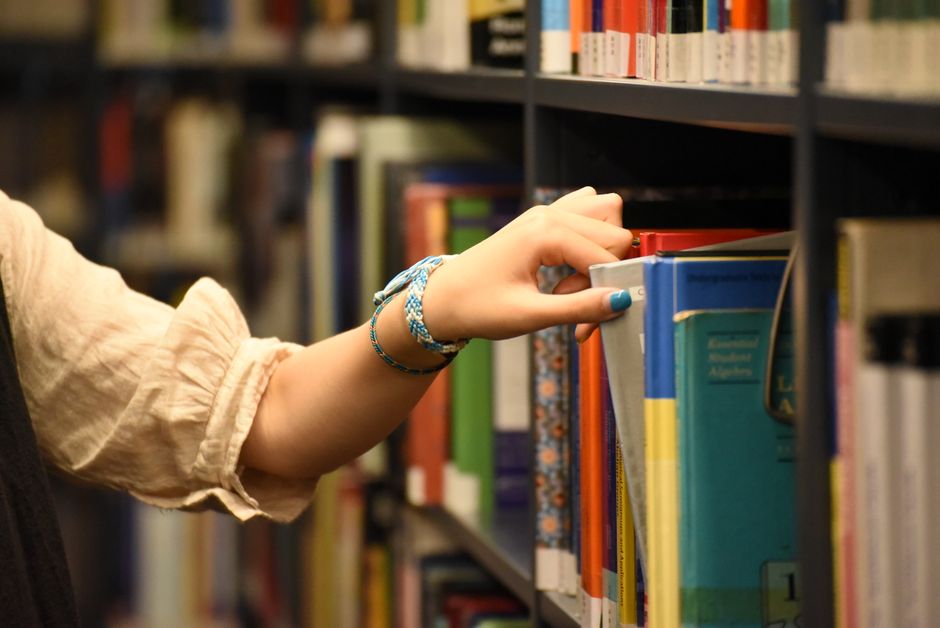
A practical way to discover good books to read in 2026
Finding the right book can make the difference between a student who avoids reading and a student who starts to see reading as something useful, interesting, and even enjoyable. Many students know they are supposed to read more, but they do not always know where to begin. A long list of books can feel overwhelming, especially when the titles are unfamiliar. This Student Book Finder is designed to make that first step easier.
One useful place to start is with books people are already reading and talking about. Bestseller lists, including the New York Times bestsellers, Amazon bestselling books, and other popular book lists, can help students and families see what is getting attention across different genres. These lists are not perfect measures of quality, and a bestselling book is not automatically the best book for every student. But they can be useful starting points for finding good books to read in 2026.
Students are more likely to keep reading when they have some choice. A student who does not enjoy classic fiction might get pulled into mystery books, fantasy novels, biographies, memoirs, sports stories, business books, health books, or books about real people who overcame difficult circumstances. The goal is not to force every student into the same reading path. The goal is to help each student find a doorway into reading that feels natural enough to begin.
Genre can be a powerful tool for that. The best fiction books can help students follow character, conflict, setting, and emotion. Mystery books can build attention because readers want to solve the question at the center of the story. Biography and memoir can help students learn from real lives, including the choices, failures, risks, and turning points that shape a person’s path. Nonfiction books can connect reading to subjects students already care about, from money and careers to health, history, science, and personal growth.
Parents can use book lists as a way to start better conversations with students. Instead of asking, “Why don’t you read more?” it may be more useful to ask, “What kind of story would you actually want to follow?” or “Would you rather read about a real person, a mystery, a business idea, or a fictional world?” Those questions give students more ownership. Reading becomes less about compliance and more about curiosity.
The New York Times bestseller list often appears in conversations about reading because it points to books with broad public attention. What makes a book a New York Times bestseller is usually a mix of strong sales, visibility, timing, and reader interest. That does not mean every student should read every bestseller. It simply means the list can help families identify books that are already part of larger cultural conversations.
That can be motivating for students. When a book is being discussed by friends, teachers, book clubs, online communities, or reviewers, students may feel more reason to pick it up. Reading becomes connected to the world around them. A bestselling novel, a popular memoir, or one of the best books of 2026 can give students something to talk about, question, agree with, or challenge.
Book club books can be especially helpful because they are often chosen for discussion. A good book club book does not have to be difficult, but it should give readers something to think about. It might raise questions about family, courage, ambition, identity, friendship, fairness, or responsibility. For students, those conversations can deepen reading and make it easier to remember what they read.
Audiobooks can also support this process. Some students struggle to sit still with a printed book but can listen while commuting, walking, exercising, or relaxing at home. A student might begin with one of the best audiobooks of 2026, a bestselling fiction audiobook, or a biography read by the author. Listening can build vocabulary, attention, and familiarity with storytelling, especially for students who have not yet built a steady reading habit.
The point is not to treat bestseller lists as final answers. A popular book might not be the right fit, and a lesser-known book might become the one that changes how a student thinks. But lists of best-selling books, best fiction books, top nonfiction books, biographies, memoirs, and good books to read can reduce the friction of getting started. They help students move from “I don’t know what to read” to “I’ll try this.” Students do not need to become intense readers overnight. A strong reading habit can begin with ten minutes a day, one chapter a night, or one audiobook during the week. The first book does not have to be perfect. It just has to be interesting enough to begin. ZipScholar created this resource to help students and families use book discovery in a practical way. Bestseller lists, genre guides, and popular reading lists can give students inspiration, but the deeper goal is literacy. When students read more often, they build language, focus, confidence, and a larger set of ideas to draw from in school, work, and life.